

How to Prepare for Moving Into a New Home This Winter
Dec 30th, 2025
Moving into a new home is always an exciting milestone, but doing it during the winter can add a few extra challenges. Cold temperatures, snow-covered roads, and shorter daylight hours mean a little extra planning goes a long way. Here’s how to get ready for moving into your new home during the colder months.
Plan Ahead and Watch the Weather
Winter weather in Alberta can change quickly, so flexibility is key. As your moving date approaches, keep an eye on the forecast and be prepared to adjust timelines if heavy snow or extreme cold is expected. If you’re hiring professional movers, confirm details a few days before moving day and ask about their winter weather policies. Booking early is also helpful, as moving companies tend to fill up quickly during popular move-in dates, even in winter.
Prepare Your New Home Before Moving Day
If possible, visit your new home ahead of time to make sure it’s winter-ready. Confirm that utilities like heat, electricity, and water are turned on before you arrive. Walking into a warm home makes a huge difference after a cold day of moving. If snow has accumulated, arrange for walkways, driveways, and entryways to be cleared and salted so movers can safely carry items inside. This reduces the risk of slips and damaged belongings.
Protect Your Belongings From Cold
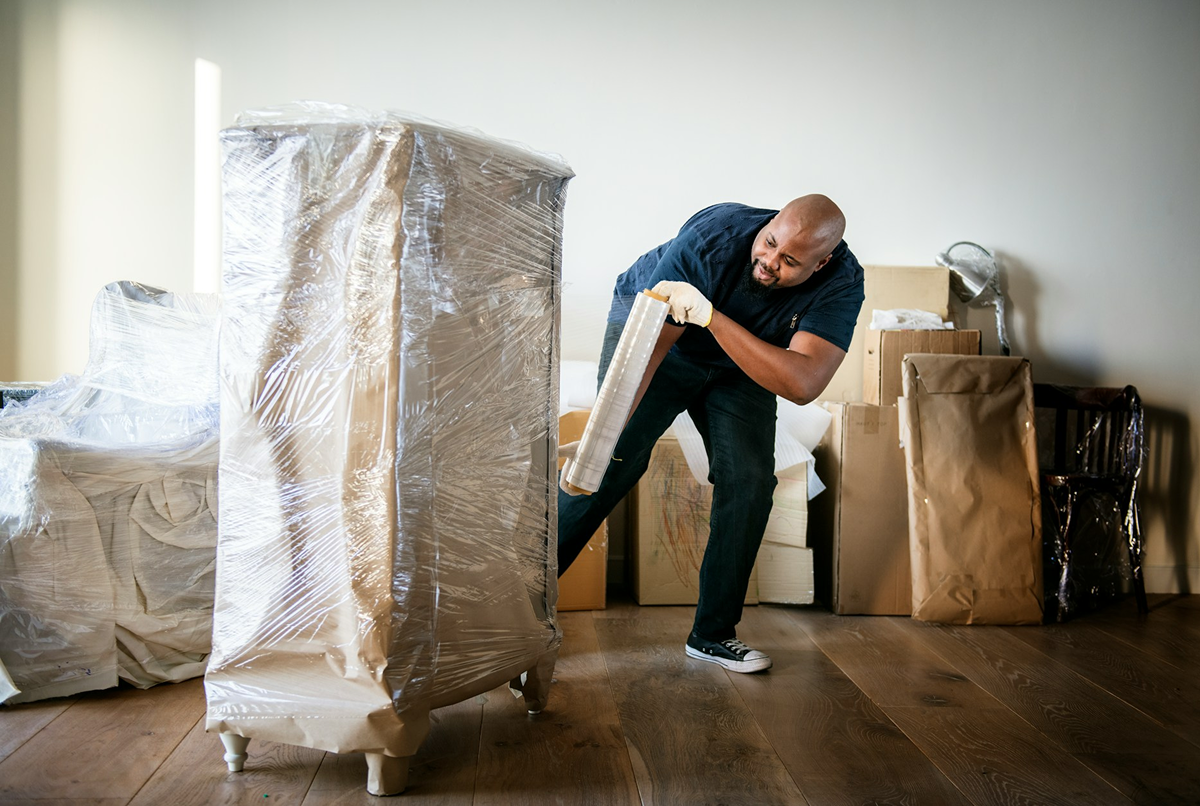
Cold temperatures and moisture can be tough on furniture and electronics. Use plastic bins instead of cardboard boxes to protect items from snow and slush. Wrapping furniture in moving blankets or plastic wrap also helps keep moisture out, especially when items are being loaded and unloaded. Electronics should be packed carefully and given time to warm up to room temperature before being plugged in to prevent condensation damage.
Dress for the Conditions
Layered clothing, warm gloves, and non-slip waterproof boots are essential for moving day. Even if most of the time is spent indoors, you’ll likely be in and out frequently. Keep salt or sand on hand to reduce ice buildup at both your old and new homes. Taking a few minutes to make surfaces safer can prevent injuries and keep the move on schedule.
Pack a Winter Essentials Box
An essentials box is useful for any move, but it’s especially important in winter. Include items like warm blankets, extra socks, gloves, a flashlight, phone chargers, basic tools, and cleaning supplies. You may also want to pack a small shovel just in case. Having these items easily accessible means you won’t be digging through boxes if the weather turns unexpectedly.
Take Care of Your Vehicle and Travel Plans
If you’re handling the move yourself, make sure your vehicle is winter-ready. This includes good winter tires, enough windshield washer fluid, and a full tank of gas. Plan your route in advance and allow extra travel time in case road conditions are less than ideal. If you’re moving between cities or towns, check highway conditions on the day of your move to avoid unnecessary delays.
Create a Cozy Space After the Move
Once everything is inside, focus on setting up key areas first. Make the bedroom and bathroom comfortable so you can rest and warm up at the end of the night. Unpacking can take time, but creating a cozy, functional space right away helps your new place feel like home, even on the coldest winter nights.